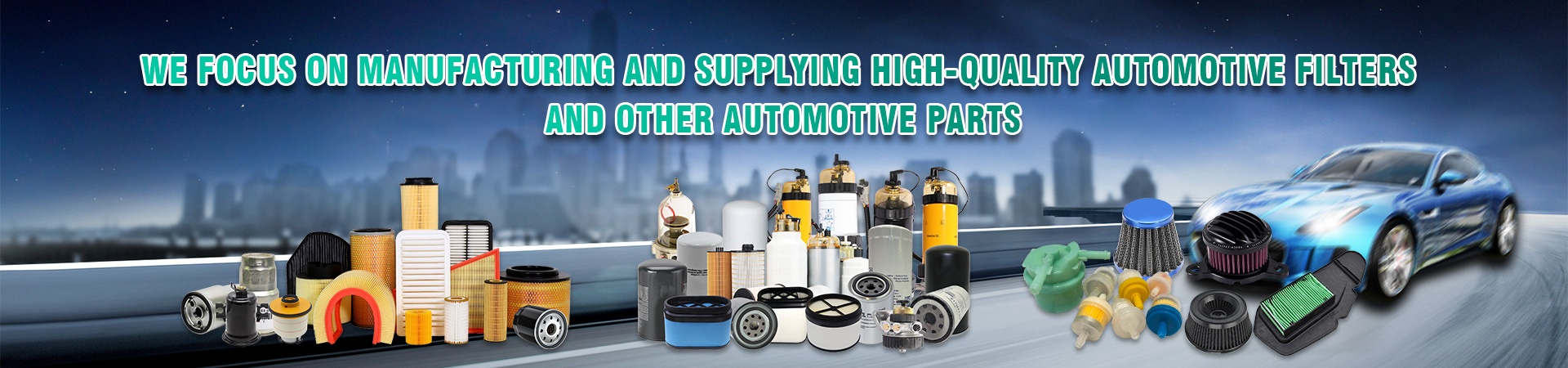
Um filtro de cabine é um componente importante do sistema de ventilação de um veículo. Ajuda a garantir que o ar dentro da cabine esteja limpo e livre de poluentes. Contudo, ao longo do tempo, o filtro da cabine pode ficar entupido ou desgastado, levando a vários sintomas que indicam seu mau estado.
Um dos sintomas mais comuns de um filtro de cabine ruim é a redução do fluxo de ar. À medida que o filtro fica entupido com poeira, sujeira, e detritos, fica mais difícil para o ar passar. Isso pode resultar em uma diminuição na quantidade de ar que flui para a cabine, leading to poor ventilation and a stuffy or musty smell inside the vehicle.
Another symptom of a bad cabin filter is decreased air conditioning or heating performance. A clogged or dirty filter can restrict the airflow to the air conditioning and heating system, making it less effective in cooling or heating the cabin. This can result in reduced comfort for the occupants, especially during extreme weather conditions.
Adicionalmente, a bad cabin filter can also lead to increased dust and allergens inside the cabin. When the filter is not functioning properly, it fails to trap particles like pollen, pó, e outros alérgenos, allowing them to enter the cabin. This can trigger allergies or respiratory issues in sensitive individuals.
Além disso, a bad cabin filter can also affect the performance and longevity of other components in the ventilation system. The restricted airflow caused by a clogged filter can put additional strain on the blower motor, causing it to work harder and potentially leading to premature failure.
Para concluir, it is important to regularly check and replace the cabin filter to ensure the proper functioning of the vehicle’s ventilation system. If you notice any of the symptoms mentioned above, it is recommended to have the cabin filter inspected and replaced if necessary.